11 posts tagged with "announcement"

View All Tags

Workshop: Build a self-hosted cloud agent.


Ishaan Jaffer
CTO, LiteLLM

Workshop: Build a
self-hosted cloud agent.

Build and deploy with the LiteLLM team, on infrastructure your team controls.

LITELLM WORKSHOP · OCTOBER 19–30

Build a self-hosted cloud agent.

Tell us about your team and what you want to achieve. We’ll follow up to arrange a 30-minute intake. Remote, over two weeks.

Workshop signup details

* Required. We’ll use your details to arrange your workshop intake. Submitting this form does not reserve a time slot.

Remote 2 weeks October 19–30, 2026

Work with your preferred agent

Claude Code
Codex

Hermes

OpenClaw
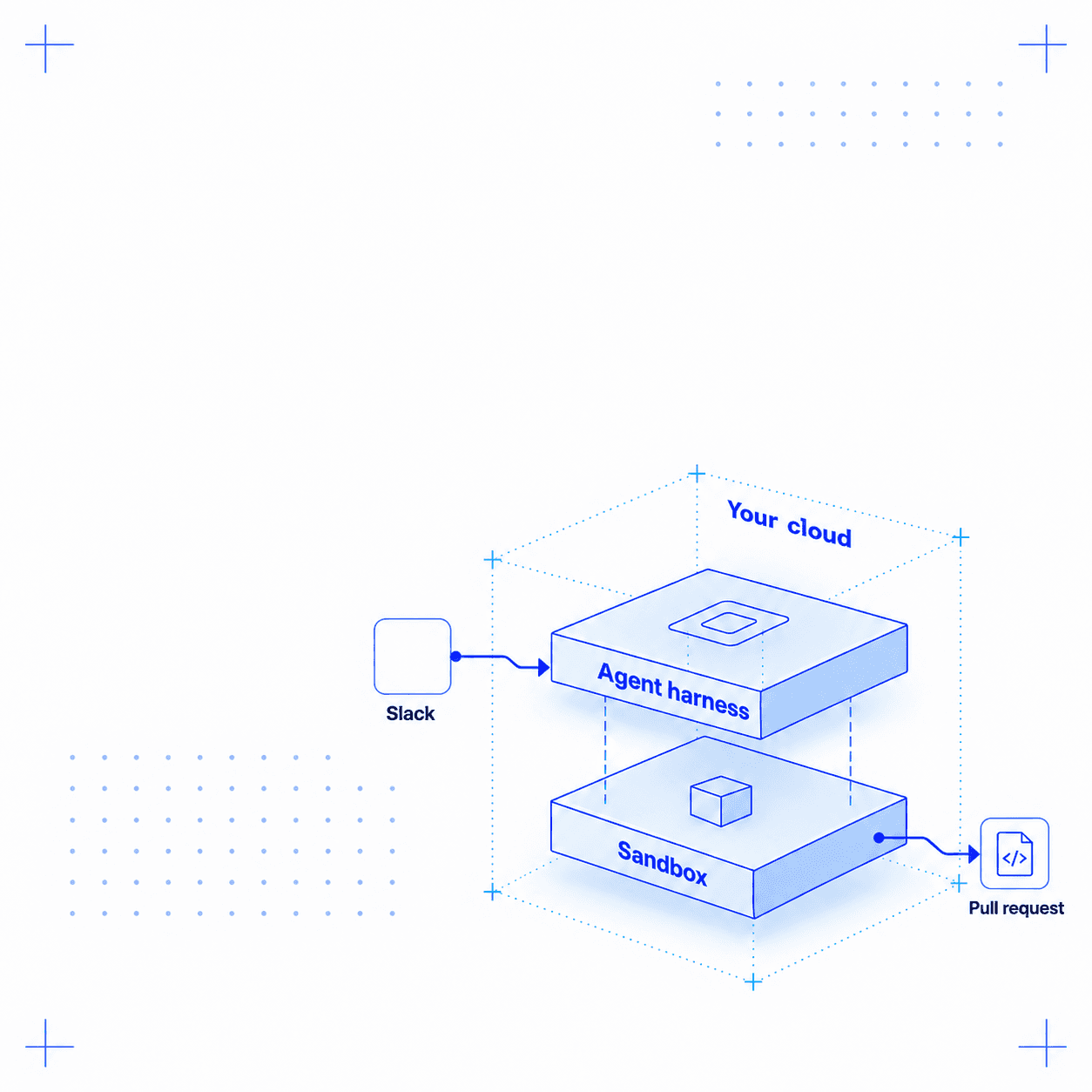
A Slack request reaches an agent harness and sandbox in your cloud, then produces a pull request.

Introducing Microsoft 365 Copilot in LiteLLM

Yassin Kortam
Senior SWE @ LiteLLM

LiteLLM × Microsoft 365 Copilot

Microsoft 365 Copilot is now a provider in LiteLLM. Use it from your applications to ask questions about your Microsoft 365 work data.

Users sign in with their Microsoft work account and ask questions like “Summarize my latest meeting.” Copilot answers using the data they already have permission to access.

Introducing the LiteLLM ROI Calculator

Moe Khalil
AI Product Engineer, LiteLLM

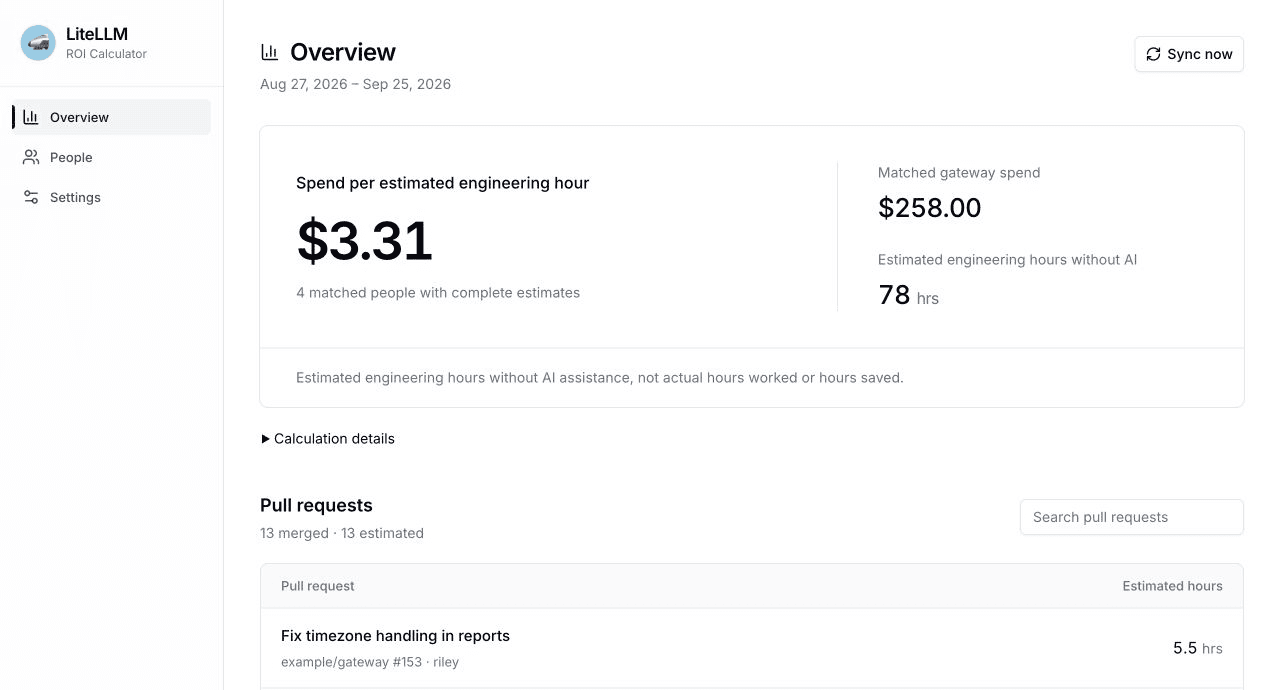
LiteLLM ROI Calculator overview: $258 of matched gateway spend compared with 78 estimated engineering hours, or $3.31 per estimated hour, above a list of merged pull requests.

Your gateway tells you what your team spends on AI. It doesn't tell you what that spend produced.

The LiteLLM ROI Calculator compares gateway spend with the engineering work your team ships. It reads spend per user from LiteLLM, estimates the effort in each merged pull request with a model you choose, and matches people by email. The result is one number: spend per estimated engineering hour.

Claude Code server-side auto mode through LiteLLM

Mateo Wang
AI Engineer, LiteLLM

Last Updated: October 9, 2026

Anthropic is moving the Claude Code auto mode safety classifier from the client to the Claude API. From v2.1.278 onwards (released 19 September), sessions on Enterprise plans and Claude API accounts will have the safety classifier run on the server as part of the model request. There is no cost to Anthropic for the classifier to run on the server. The rollout began on 18 September and is gradual, starting with the Claude Code CLI and VS Code extension, followed by the desktop app and Claude Code in the browser over the following week. On 25 September auto mode will become the default permission mode in Claude Code. Currently the default is auto on Pro, Max and Team plans and manual on Enterprise plans and Claude API keys (the accounts that are typically behind a gateway) as per Anthropic's permission modes reference.

Server side auto mode is predicated on a contract between Claude Code and the API which some gateways (LiteLLM included) did not honour. The fix first appeared in the dev release cut on Tuesday 22nd September and is now in v1.104.0 stable as well as in the patch releases of the earlier lines. This post covers what Claude Code requires from an AI Gateway, what LiteLLM was doing wrong, what has changed, which release has it, and how you can verify your deployment is ready.